
Memoir vs Autobiography: Why Memoirs Are More Marketable (and Versatile) Than You Think

You've got a story to tell. Maybe it's about overcoming addiction, surviving a difficult childhood, or building a business from scratch. But here's the million-dollar question: memoir vs autobiography, which is right for your story?
Most people think these terms are interchangeable, but they're not. And choosing the wrong format could be the difference between landing a book deal and collecting rejection letters.
Let's break down why memoirs consistently outsell autobiographies and offer way more creative freedom than you might expect.
Memoir vs Autobiography: What's the Real Difference?
Think of autobiography as telling your entire life story from birth to present day. It's comprehensive, chronological, and covers everything: your childhood, education, career, relationships, the whole shebang.
A memoir, on the other hand, zooms in on specific experiences, themes, or periods of your life. Instead of "Here's everything that happened to me," it's "Here's what I learned from this particular chapter."
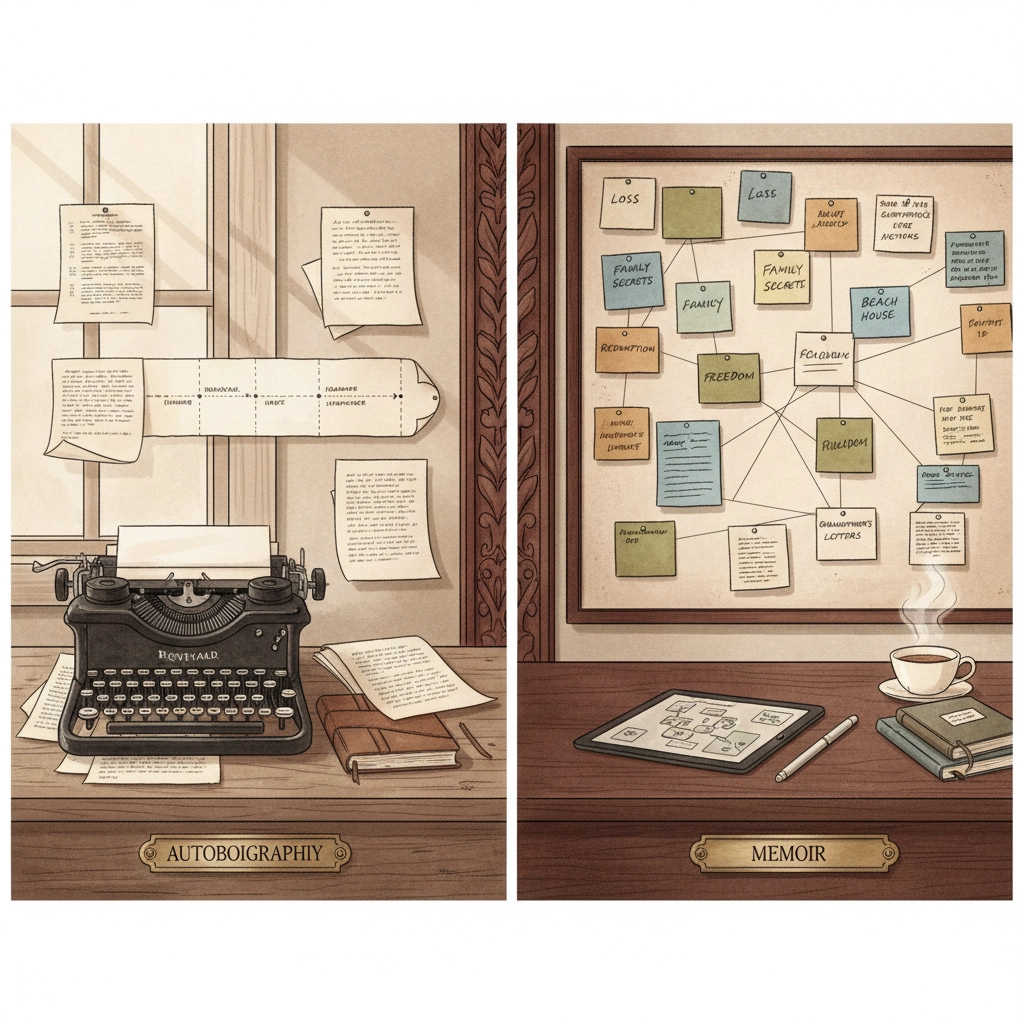
Autobiography: Linear timeline covering your complete life history Memoir: Focused narrative exploring specific experiences or themes
The scope difference is huge. Autobiographies try to be encyclopedic, while memoirs can jump around in time, focusing on emotional truth rather than chronological facts.
Why Autobiographies Are so Hard to Sell
Unless you're a celebrity, politician, or historical figure, selling an autobiography is brutal. Here's why:
Nobody Knows Who You Are
Publishers and readers approach autobiographies with one question: "Why should I care about this person's entire life?" If you're not already famous, that's a tough sell. Readers typically choose autobiographies because they're interested in the person first, the story second.
They're Information Dumps
Most autobiographies read like extended resumes. They focus on what happened rather than why it mattered or what universal truths emerged from those experiences. They're often dry, fact-heavy, and lack the emotional depth that keeps readers turning pages.
The Commitment Is Overwhelming
A full autobiography demands readers commit to someone's entire life journey. That's a big ask, especially from an unknown author. It's like asking someone to binge-watch an entire TV series based solely on the first episode.

How Memoirs Solve These Problems
Memoirs flip the script entirely. Instead of selling readers on your entire life, you're selling them on a specific experience or theme they can relate to.
Theme-Based Appeal
Someone might not care about your whole life story, but they absolutely care about how you recovered from bankruptcy, navigated divorce, or built a startup. Memoirs let readers choose based on topics that resonate with their own experiences.
Emotional Connection Over Fame
Memoirs work because they're not really about you: they're about universal human experiences told through your specific lens. A memoir about grief connects with anyone who's lost someone. A memoir about career change speaks to anyone feeling stuck professionally.
Digestible Storytelling
By focusing on specific periods or themes, memoirs become more manageable for readers. They're investing in a targeted story with clear boundaries, not an entire lifetime.
The Genre-Blending Superpower of Memoirs
Here's where memoirs get really interesting: they can borrow elements from any genre. Want to write about your medical career? Add thriller elements to create tension around life-and-death decisions. Writing about your spiritual journey? Incorporate mystical or philosophical elements.

Business Memoirs
Combine your entrepreneurial story with business strategy insights. Readers get personal narrative plus actionable advice.
Travel Memoirs
Blend adventure storytelling with cultural commentary and personal growth.
Food Memoirs
Mix recipe sharing with family history and cultural exploration.
Recovery Memoirs
Integrate self-help elements with personal narrative for readers facing similar challenges.
This genre flexibility opens up multiple marketing categories and audience segments: something traditional autobiographies can't achieve.
The Publishing Numbers Don't Lie
Memoir sales consistently outperform autobiography sales in the non-celebrity market. Publishers actively seek memoirs because they:
Appeal to broader audiences through universal themes
Offer clearer marketing angles
Provide more compelling back-cover descriptions
Generate stronger word-of-mouth recommendations

Readers share memoirs because they connect with specific experiences. They're less likely to recommend someone's entire life story unless that person is already culturally significant.
Why Timing Favors Memoir vs Autobiography
You can write a compelling memoir at any age about any significant experience. Overcame a health scare at 25? That's a memoir. Changed careers at 40? Another memoir. Became a grandparent at 60? Yet another memoir opportunity.
Autobiographies typically require decades of life experience and some level of public recognition. Memoirs just require one compelling story worth sharing.
Multiple Memoir Opportunities
Since memoirs focus on specific themes or periods, you could potentially write several throughout your lifetime. Each major life transition or significant experience could become its own book.
The Creative Freedom Factor
Memoirs allow for creative storytelling techniques that autobiographies typically don't support:
Non-linear narratives: Jump between time periods to create dramatic tension
Dialogue recreation: Bring scenes to life with reconstructed conversations
Thematic organization: Structure around emotional or philosophical themes rather than chronology
Literary techniques: Use metaphors, symbolism, and other literary devices
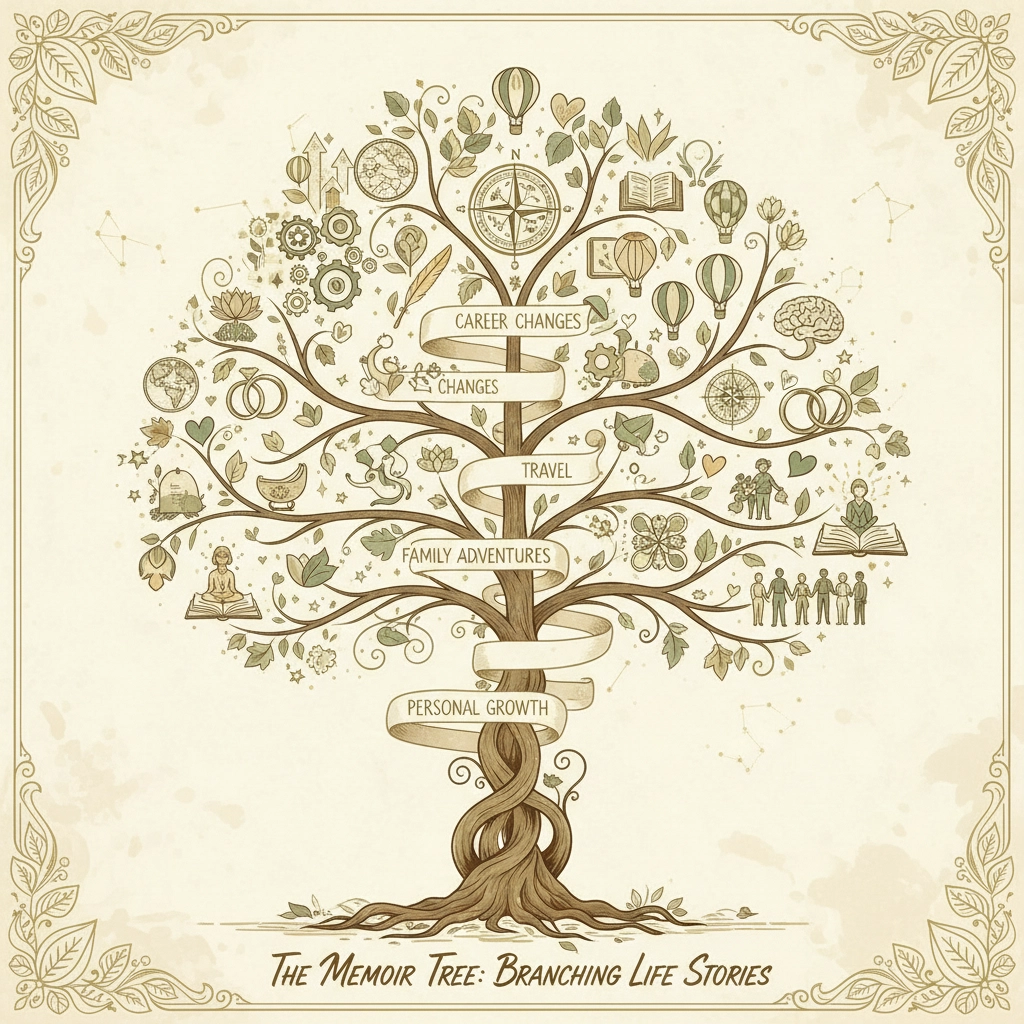
This creative flexibility makes memoirs more engaging to write and more enjoyable to read.
Making Your Choice: Memoir vs Autobiography
Unless you're already famous or have lived a historically significant life, memoir is almost always the better choice. It's more marketable, creatively flexible, and accessible to both writers and readers.
The key is identifying your most compelling story threads and the universal themes they represent.
What experiences changed you?
What lessons could help others?
What stories do people ask you to tell again and again? Those are your memoir goldmines.
Ready to Turn Your Story Into a Compelling Memoir?
At Legacy Collection Press, we specialize in helping writers craft powerful memoirs that connect with readers and stand out in the marketplace.
Our memoir developmental editing services help you identify your strongest story threads and structure them for maximum impact.
Whether you're just starting out or have a draft that needs refining, we can help you transform your experiences into a memoir that readers won't be able to put down.
Book a consultation today and let's explore how your story can become the next memoir that changes lives.

Comments