
How to Turn Old Family Photos and Letters Into a Beautiful Legacy Book in 5 Steps

That shoebox full of old family photos sitting in your closet? Those handwritten letters from your grandmother tucked away in a drawer? They're more than just paper and memories—they're the raw materials for something extraordinary. Creating a legacy book from your family photos and letters transforms scattered pieces of your history into a cohesive story that future generations will treasure.
You don't need to be a professional writer or designer to create something beautiful. With the right approach and a little patience, you can turn those precious family artifacts into a stunning keepsake that captures your family's unique journey.
Step 1: Gather and Organize Your Family Materials
Before you can create your legacy book, you need to collect everything that tells your family's story. Start by gathering printed photos, digital images, and any keepsakes that hold sentimental value. Look for materials that represent key moments—childhood memories, weddings, holidays, family gatherings, and everyday moments that capture your family's personality.
Don't limit yourself to just photos. Include handwritten letters, postcards, recipes passed down through generations, newspaper clippings, ticket stubs from special events, and any other memorabilia that adds depth to your story. These items often provide context that photos alone cannot convey.
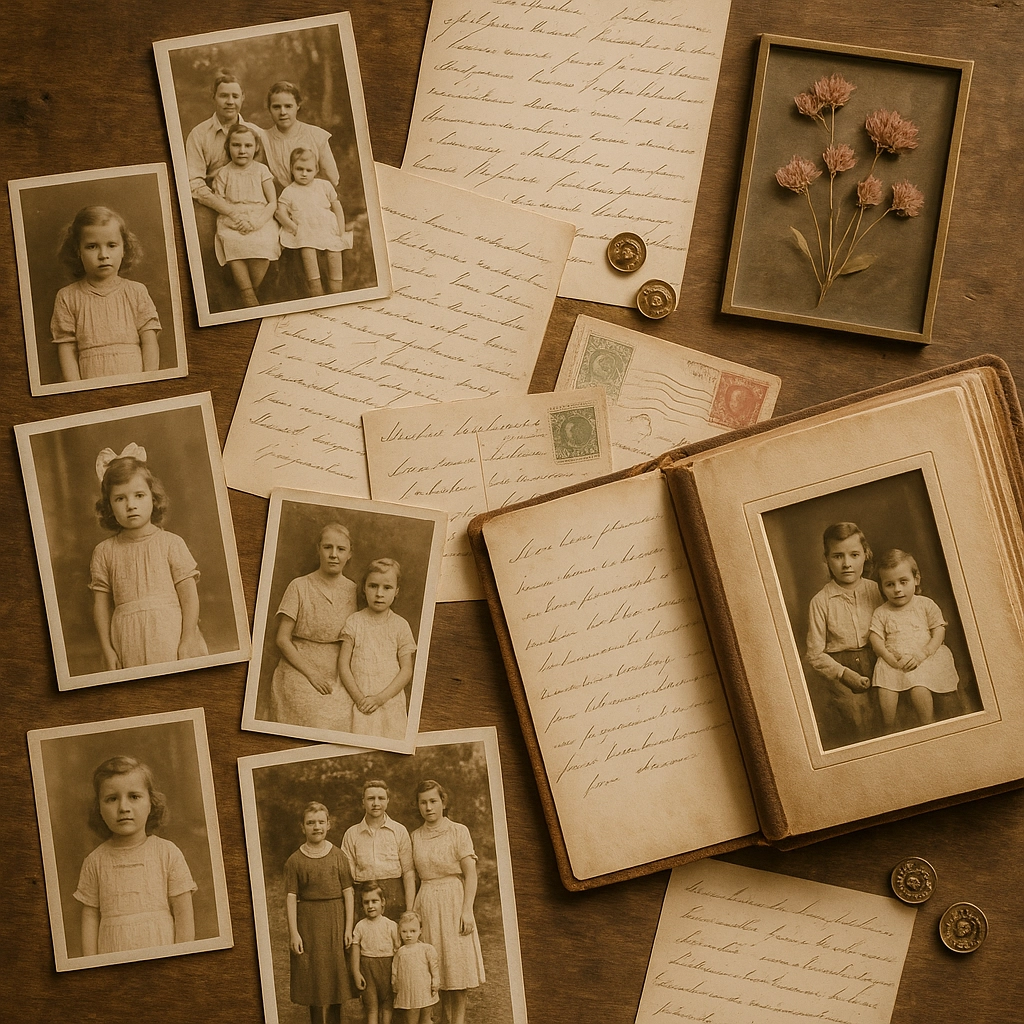
Create initial categories to help you sort through everything. You might organize by decades, life events, or family branches. Some families find it helpful to sort by themes like "Childhood Adventures," "Family Traditions," or "Military Service." The goal at this stage isn't perfection, it's about getting everything in one place so you can see what you're working with.
Consider reaching out to other family members who might have additional photos or stories. Cousins, aunts, and uncles often have different perspectives and materials that can enrich your legacy book. They might also remember details about people or events that you've forgotten.
Step 2: Create a Timeline and Family Tree for Your Legacy Book
Building a timeline helps you organize your materials chronologically and ensures you don't miss important periods in your family's history. Think about major life events, historical moments that affected your family, and annual traditions that shaped your family culture.
Start with a simple approach—grab a piece of paper and sketch out major decades or life phases. Mark important dates like births, marriages, moves, career changes, and losses. This timeline becomes your roadmap for organizing photos and stories in a logical sequence.
Next, create a basic family tree. You don't need a full genealogical study, but having a clear picture of family relationships helps you identify people in old photos and understand how everyone connects. This is especially valuable when you find photos of relatives whose exact relationship might be unclear.
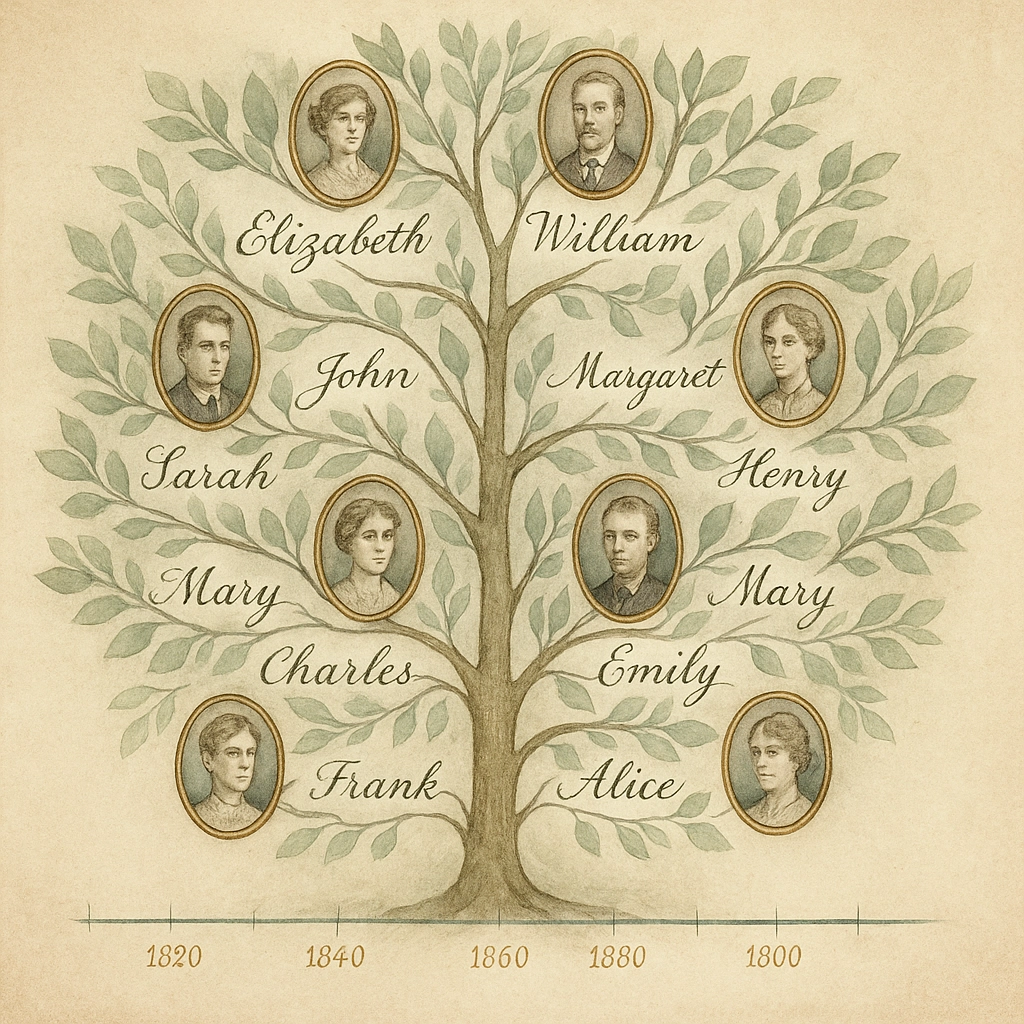
This step is perfect for getting family members involved. Ask relatives to help identify people in old photos and share stories about family connections. Often, these conversations reveal fascinating stories that become the heart of your legacy book.
Step 3: Digitize and Sort Your Photo Collection
Digitizing your materials is crucial for both preservation and book creation. Use a high-quality scanner or camera to create digital copies of your photos, letters, and documents. If you have hundreds of photos, consider investing in a bulk photo scanner or taking them to a professional digitizing service.
Create a logical folder structure on your computer or cloud storage. Start with a main folder named after your legacy book project, then create subfolders organized by year, decade, or family branch. This organizational system makes it much easier to find specific materials later.
As you digitize each item, give it a descriptive filename that includes the date, location, and main subjects. Instead of "IMG_001.jpg," name your file "1965_Christmas_Smith_Family_Living_Room.jpg." This extra step saves enormous time later and helps ensure important details aren't lost.
Back up your digital files in multiple locations. Cloud storage, external drives, and even sharing copies with other family members ensures these precious memories won't be lost to computer crashes or accidents.
Step 4: Write and Edit Content for Your Family Legacy Book
Now comes the storytelling part. Your legacy book needs more than just photos—it needs context, stories, and the voices of family members who lived these moments. Start by adding basic captions to your photos that include names, dates, and locations.
Don't worry about writing perfect prose. Simple descriptions work well: "Mom's 30th birthday party in the backyard, 1978" or "Dad teaching us to fish at Lake George, summer 1985." These details provide context that makes photos meaningful to people who weren't there.
Consider adding longer stories that capture your family's personality. Write about traditions, funny moments, challenges overcome, and lessons learned. Interview older family members and include their voices directly through quotes or short stories they share.
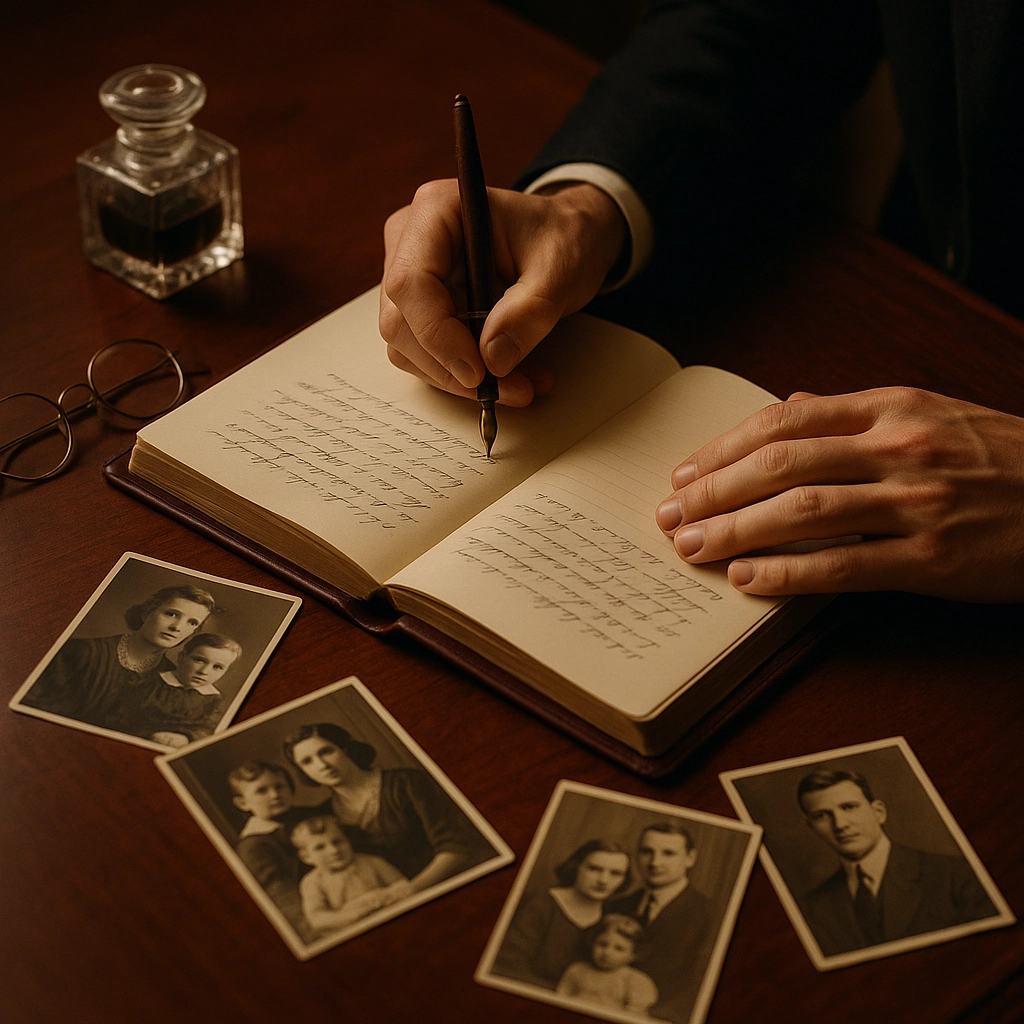
Keep your writing conversational and genuine. Future generations want to know what life was really like, not a sanitized version of events. Include the struggles alongside the celebrations—these honest moments often resonate most strongly with readers.
Step 5: Design and Layout Your Beautiful Legacy Book
Choose a format that matches your skills and budget. Many families use online platforms like Shutterfly, Mixbook, or Blurb, which offer professional-looking templates and easy-to-use design tools. These platforms let you upload your digitized photos and text, then drag and drop them into attractive layouts.
If you prefer more creative control, consider using design software like Canva or Adobe InDesign. These tools offer more customization options but require more time to learn. Whatever platform you choose, focus on clean, readable layouts that let your photos and stories shine.
Pay attention to visual flow and balance. Mix full-page photos with smaller images, break up large blocks of text with white space, and use consistent fonts and colors throughout your book. Most importantly, make sure your text is large enough to read comfortably—remember that older family members might struggle with small fonts.
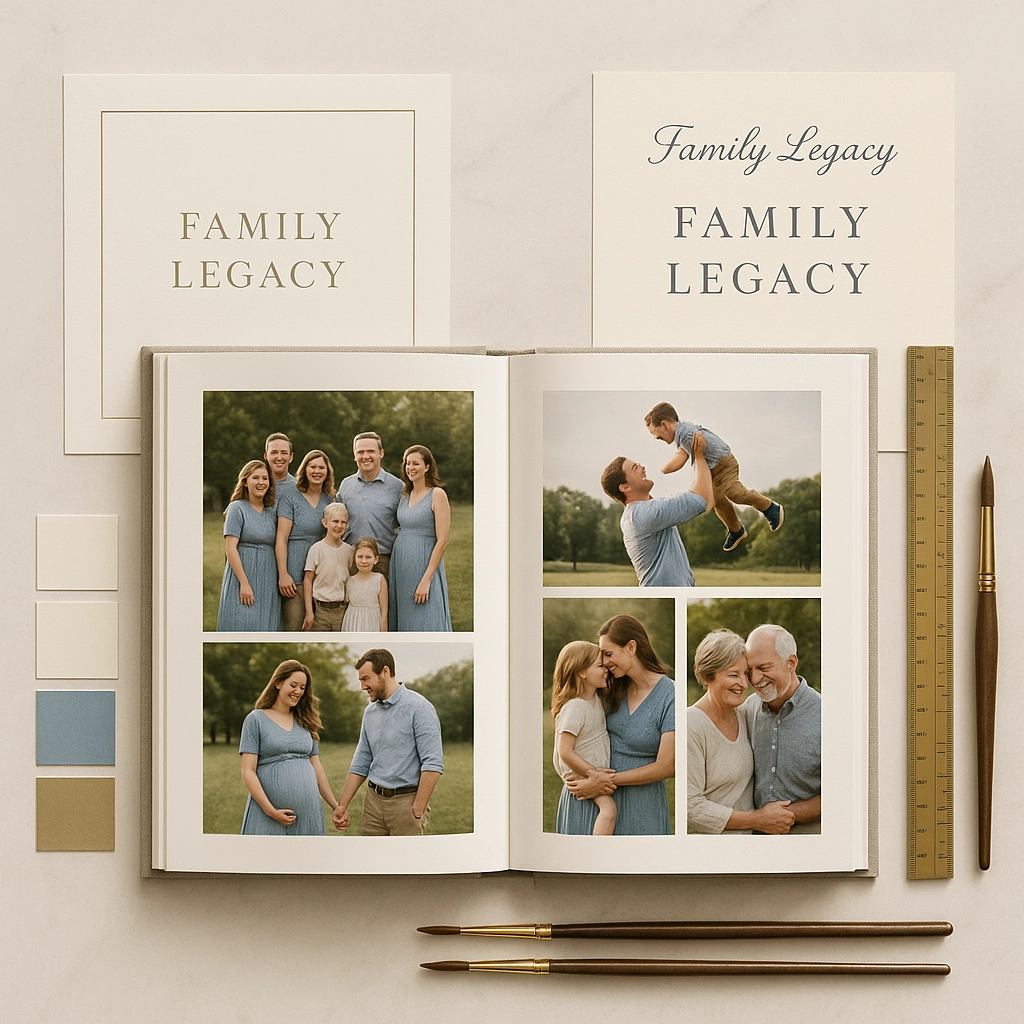
Consider printing options carefully. Professional printing services often produce higher-quality books than home printers, especially for photos. Many online platforms offer various paper types, binding options, and sizes. Order a proof copy first to check colors, layout, and overall quality before printing multiple copies.
Preserving Your Family Story Through Legacy Books
Creating a legacy book from your family photos and letters isn't just about preserving the past—it's about giving future generations a tangible connection to their heritage. These books become family treasures that get passed down, shared at reunions, and treasured by people who never met the subjects in the photos.
The process takes time and effort, but the reward is immeasurable. You're not just organizing old photos; you're weaving together the threads of your family's story into something beautiful and lasting. Every family has a unique story worth preserving, and yours deserves to be told with care and creativity.
Ready to start your own family legacy book but feeling overwhelmed by the process? At Legacy Collection Press, we specialize in helping families transform their precious memories into beautifully crafted books. Our experienced team can guide you through each step, from organizing your materials to creating a professionally designed final product. Contact us today to learn how we can help you preserve your family's story for generations to come.

Comments