
7 Business Book Mistakes That Hurt Your Authority (and How to Fix Them)

Writing a business book can transform your professional reputation, attract high-quality clients, and establish you as a thought leader in your field. Yet many entrepreneurs unknowingly make mistakes that weaken the impact of their business book and prevent it from building real authority, which is why so many published books fail to generate leads, credibility, or opportunities.
Why Writing a Business Book Is a Strategic Business Decision
Writing a business book is more than a creative project; it’s a long-term marketing asset, which is why avoiding these mistakes will serve you in the long run.
Mistake #1: Starting Without a Clear Purpose for Your Business Book
Too many authors dive into writing without defining what they want their book to accomplish. This lack of direction creates scattered content that feels more like a brain dump than a strategic business tool.
The Fix: Before you write a single sentence, get crystal clear on your book's mission. Ask yourself: What specific outcome do you want? Are you looking to generate qualified leads, support a consulting practice, create speaking opportunities, or establish credibility in a new market?
Your purpose drives everything else. A lead-generation book will have different content, structure, and calls-to-action than one designed purely for thought leadership. Define your goal first, then let it guide every writing decision.

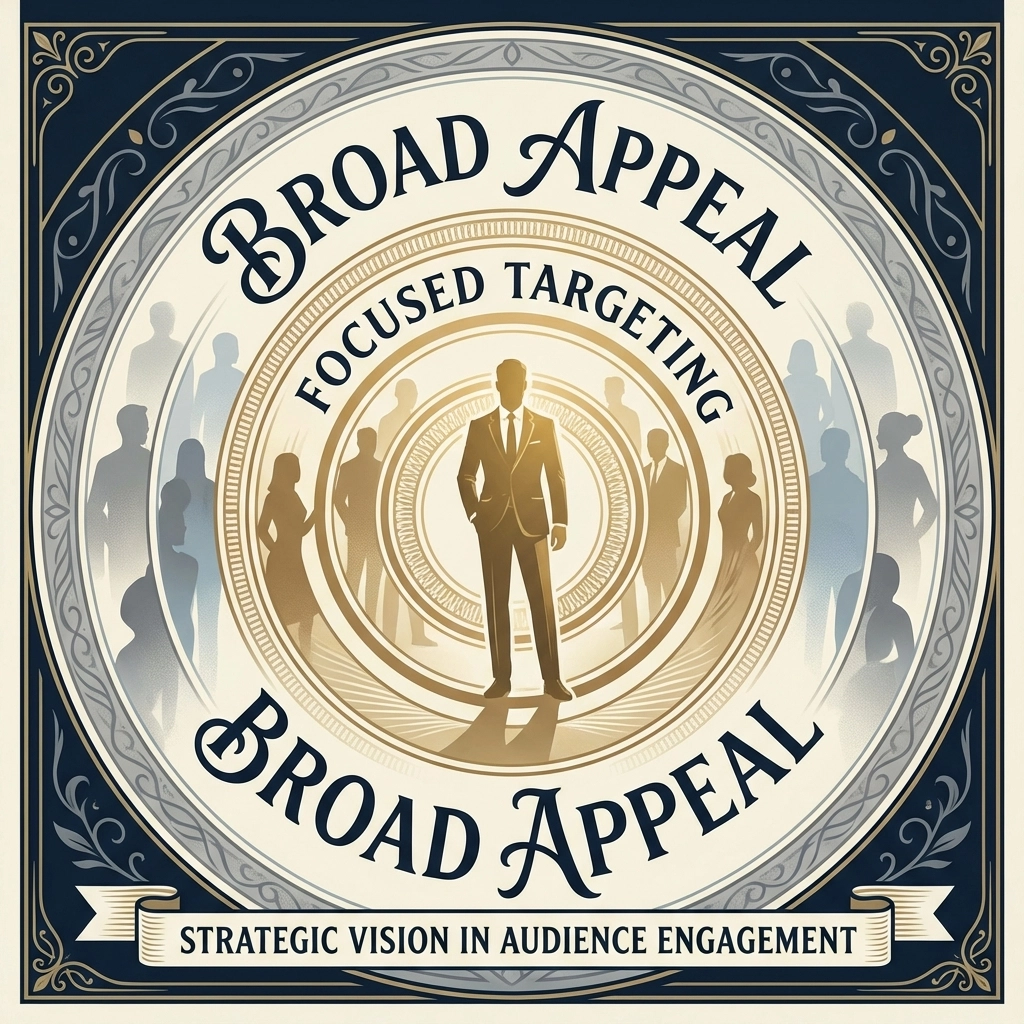
Mistake #2: Trying to Appeal to Everyone
When you write for everyone, you connect with no one. Generic advice and broad appeals dilute your message and fail to resonate with the people who could become your best clients.
The Fix: Identify your ideal reader with laser precision. Think about your favorite client: the one whose challenges you love solving, whose industry you understand deeply, whose budget aligns with your services. Write exclusively for that person.
Use their language, reference their specific pain points, and provide solutions tailored to their unique situation. A book written for mid-level marketing managers will be dramatically different (and more effective) than one written for "anyone interested in marketing."
Mistake #3: Holding Back Your Best Material
Many business authors fear giving away too much valuable content. They worry that sharing their proven methods will eliminate the need for clients to hire them or hand competitors a roadmap to steal their business.
The Fix: Embrace generosity with your expertise. Your business book should deliver genuine value, not serve as an extended sales brochure. Readers can sense when you're holding back, and they'll disengage accordingly.
Remember: The people who could implement your methods without help probably weren't going to hire you anyway. Those who see the depth of your expertise and the complexity of proper implementation are far more likely to want your guidance. Value builds trust, and trust generates clients.
Mistake #4: Getting Your Business Book Calls-to-Action Wrong
Authors typically fall into one of two traps: either forgetting to guide readers toward next steps, or bombarding them with sales pitches that transform valuable content into an aggressive marketing piece.
The Fix: Include strategic, purposeful calls-to-action that feel helpful rather than pushy. Your book should guide readers through a natural progression: from problem awareness to solution understanding to wanting additional support.
Place subtle invitations at logical moments: after explaining a complex concept, mention your workshops; after sharing a case study, offer a related resource. Keep the focus on serving your reader while creating clear pathways for deeper engagement.
Mistake #5: Naming Your Book After Your Company
Unless you're already a household name, titling your book after your business wastes precious marketing real estate. Your company name rarely communicates clear benefits to potential readers.
The Fix: Choose a title that highlights the transformation or outcome readers will experience. Focus on the result, not the source. Instead of "The Johnson Method," try "From Chaos to Clarity: A Leadership Guide for Growing Companies."
Your business name belongs in the author bio and on your back cover, but your title should speak directly to what readers will gain. Test potential titles with your target audience and use keyword research tools to understand what phrases they're actually searching for.
Mistake #6: Skipping the Planning Phase
Busy professionals often want to jump straight into writing, viewing detailed planning as unnecessary overhead. This impatience backfires, leading to longer writing times, expensive revisions, and books that feel disorganized to readers.
The Fix: Invest time upfront in creating a solid structure for your business book. Map out your reader's journey from their current challenge to your proposed solution. Create chapter outlines that build logically on each other.
Plan how you'll balance storytelling with actionable advice, where you'll include case studies, and how concepts connect across chapters. Think of your outline as a blueprint: more work initially, but it saves enormous time and frustration later.

Mistake #7: Trying to Cover Too Much Ground
New authors often attempt to address every aspect of their expertise in a single book, creating an overwhelming tome that dilutes its core message. A business book should solve one clear problem expertly, not provide surface-level coverage of multiple topics.
The Fix: Keep your focus narrow and deep. Choose one major concept, challenge, or transformation and explore it thoroughly. If you're writing about improving sales processes, resist the urge to add chapters about team management or financial planning unless they directly serve your main message.
Additional topics can become separate books, blog posts, or course content. One focused, well-developed concept will resonate far more powerfully than a scattered treatment of multiple subjects.
Beyond These Common Business Book Mistakes
Your business book represents more than a creative project: it's a strategic asset that should integrate seamlessly with your broader marketing and business development goals. The most successful business books function as sophisticated lead magnets while establishing genuine authority in their field.
Consider how your book fits into your larger business ecosystem. Does it support your consulting services? Does it provide a foundation for speaking engagements? Will it help you command higher fees or attract better clients?

The entrepreneurs who avoid these seven mistakes create books that continue generating opportunities and clients long after publication. Their books become evergreen marketing tools that work around the clock, establishing credibility and attracting ideal prospects.
Transform Your Expertise Into Your Greatest Business Asset
Writing a business book doesn't have to be overwhelming or risky. When you avoid these common mistakes and approach your project strategically, you create a powerful tool that builds authority, attracts clients, and establishes your legacy in your field.
Ready to turn your expertise into a compelling business book that drives real results? At Legacy Collection Press, we specialize in helping business professionals create authority-building books that generate leads and establish thought leadership. From developmental editing to complete ghostwriting services, we'll help you avoid these costly mistakes and create a book that truly serves your business goals.

Comments